

Introduction
In this article we explore the complex topic of weed (cannabis) in Stockholm, Sweden: what the law says, how the culture responds, what the risks are, and what you should know. Whether you’re a resident, a visitor or simply curious, understanding the situation helps you make informed decisions.
The Legal Framework in Sweden
Zero-Tolerance and the Law
Sweden has one of the strictest cannabis regimes in Europe. Under the Narcotic Drugs (Punishment) Act (enacted 1968) and subsequent amendments, the use, possession, cultivation, distribution of cannabis are criminal offences. (Leafwell)
According to official sources:
- Possession of even small amounts can lead to fines or imprisonment. (NAPR)
- Trafficking, large-scale cultivation or distribution can lead to severe prison sentences (up to 10 years in particular aggravated cases). (NAPR)
- The Swedish approach is deliberately “zero-tolerance”, aiming at a “drug-free society”. (Brookings)
Medical Cannabis – Extremely Limited
While recreational use remains illegal with near-absolute prohibition, medical cannabis has a very limited presence. For example, the spray Sativex (THC/CBD) was approved for multiple sclerosis in Sweden. (Leafwell)
But importantly:
- Growing cannabis, even for medical purposes, is prohibited. (Higher Yields Cannabis Consulting)
- CBD products are legal only if they contain zero THC. Any trace of THC may render them illegal. (GVB Biopharma)
The Local Context of Stockholm
While national laws apply, in Stockholm (and other major Swedish cities) certain trends are worth noting: higher prevalence of drug experiences compared to rural areas. For example, a survey found that the three major cities (Stockholm, Gothenburg, Malmö) had lifetime drug experience around 14 % vs ~6 % for the rest of Sweden. (European Parliament)
Additionally, the enforcement of laws (for cannabis, other drugs, driving under influence) is strict in urban areas. (NAPR)
Cannabis Culture and Realities in Stockholm
Use Patterns and Social Attitudes
Although the law is strict, cannabis use does exist in Stockholm (and Sweden more broadly). Surveys indicate lower lifetime prevalence compared to some European peers, but still meaningful numbers. (Brookings)
Social attitudes are largely negative. An article describes Swedes’ views:
“Marijuana is unacceptable in Sweden, both legally and socially. If you lit a joint outside one of the coolest clubs in Södermalm, even the …” (The Local Sweden)
This stigma helps explain why open consumption is rare, hidden, and carries risk.
Quality, Street Market and Risks
Because recreational cannabis is illegal, any market is necessarily illicit. That brings risks: variable quality, uncertain potency, possible contamination, lack of consumer protections. One source warns:
“It is not safe to purchase cannabis for recreational purposes in Sweden. … the illegal street trade may be of variable quality or strength.” (Leafwell)
In Stockholm that means users operate in an underground context — with all the attendant risks of law enforcement, criminal sanctions, and unknown product quality.
Harm Reduction and Public Health
Sweden’s model emphasises abstinence and criminal sanctions rather than liberal regulation or harm-reduction (compared to some other European nations). (Brookings)
There is academic debate: some argue that decriminalisation or regulation might reduce harms, increase quality control, reduce entry into more serious substances. (PubMed)
But the Swedish system remains firmly in the restrictive camp.
What It Means for Visitors & Residents in Stockholm
If You’re Visiting
- Do not assume cannabis is tolerated. Unlike some other European capitals, Stockholm does not have a coffeeshop-style tolerance policy.
- Possession or use risks legitimate legal sanctions: fines, possible imprisonment, confiscation.
- If you choose to use nonetheless, you carry risk: unpredictable quality, legal exposure, stigma, social isolation.
- If you experience problems (over-intoxication, adverse reaction) your access to medical help is the same as for any visitor — but you may face law-enforcement involvement.
If You’re Living (or Moving) in Stockholm
- If you have a medical condition and believe medical cannabis might help: understand how limited the programme is. You’ll likely need specialist medical approval and your condition must meet strict criteria.
- If you already use cannabis recreationally: understand the legal risk, including possible criminal record, fines, or prison sentence in aggravating cases.
- Consider the social context: using cannabis may carry stigma, affect employment or driving rights (Sweden has zero-tolerance for driving under influence). (NAPR)
- If you’re dealing with cannabis or drug-use issues (dependency, access to support): the Swedish system emphasises abstinence-based treatment rather than purely harm reduction — so explore municipal health/social services accordingly.
Challenges, Debates and Possible Future Shifts
Arguments for Reform
Some researchers argue that Sweden’s strict approach might be counterproductive: low prevalence of general use but high levels of heavy use among those who do use; rising drug-related deaths in some statistics; and difficulty accessing safe, regulated products. (Brookings)
The argument goes: regulated cannabis markets might reduce illicit risk, control quality, reduce burdens on law-enforcement, raise tax revenue, shift resources to treatment and health rather than punishment. (PubMed)
Arguments for Maintaining the Status Quo
On the other side, Swedish policy champions argue that the “zero tolerance” stance supports lower general prevalence, protects youth and society from drug-related harms, and aligns with the Sweden’s welfare-state social norms. (Brookings)
The cultural and political consensus remains strongly in favour of restriction rather than liberalisation. For example, some data show ~80 % of Swedish respondents oppose cannabis legalisation. (Hemp King)
What Might Happen in the Future?
While full recreational legalisation appears unlikely in the short term, some incremental shifts are possible:
- Slight broadening of medically approved cannabis-based products.
- Continued debate and research on regulation, harm reduction, treatment approaches.
- International pressure or examples from other countries might influence Swedish policy over time.
However, given the strong societal and political opposition, any change is likely slow and incremental, not rapid. (Higher Yields Cannabis Consulting)
Specifics Relating to Stockholm’s Urban Context
Demographics and Use
As noted earlier, use and drug-experience appear more likely in larger cities including Stockholm compared to rural Sweden. (European Parliament)
Urban culture may mean higher access to illicit networks, but also higher law-enforcement visibility, more stigma and risk.
Practical Advice for Staying Safe
- Avoid carrying any cannabis; trust that possession can lead to legal action.
- Avoid using and then driving; Sweden enforces drug-impaired driving laws strictly. (NAPR)
- If you witness someone in trouble due to drug use: Know that Swedish emergency services can respond, but they may involve police in situations of illegal drug use.
- If you are resident and using regularly: consider whether you might need support, treatment, or alternatives, rather than relying on illegal supply with unknown quality.
- Be aware of legal grey-areas: CBD products may look benign but if they contain THC you risk breaches. (GVB Biopharma)
Quality of Supply, Market Realities & What “Weed” Means in Stockholm
What Is the “Weed” You Might Encounter?
Because supply is illicit, users in Stockholm may come across:
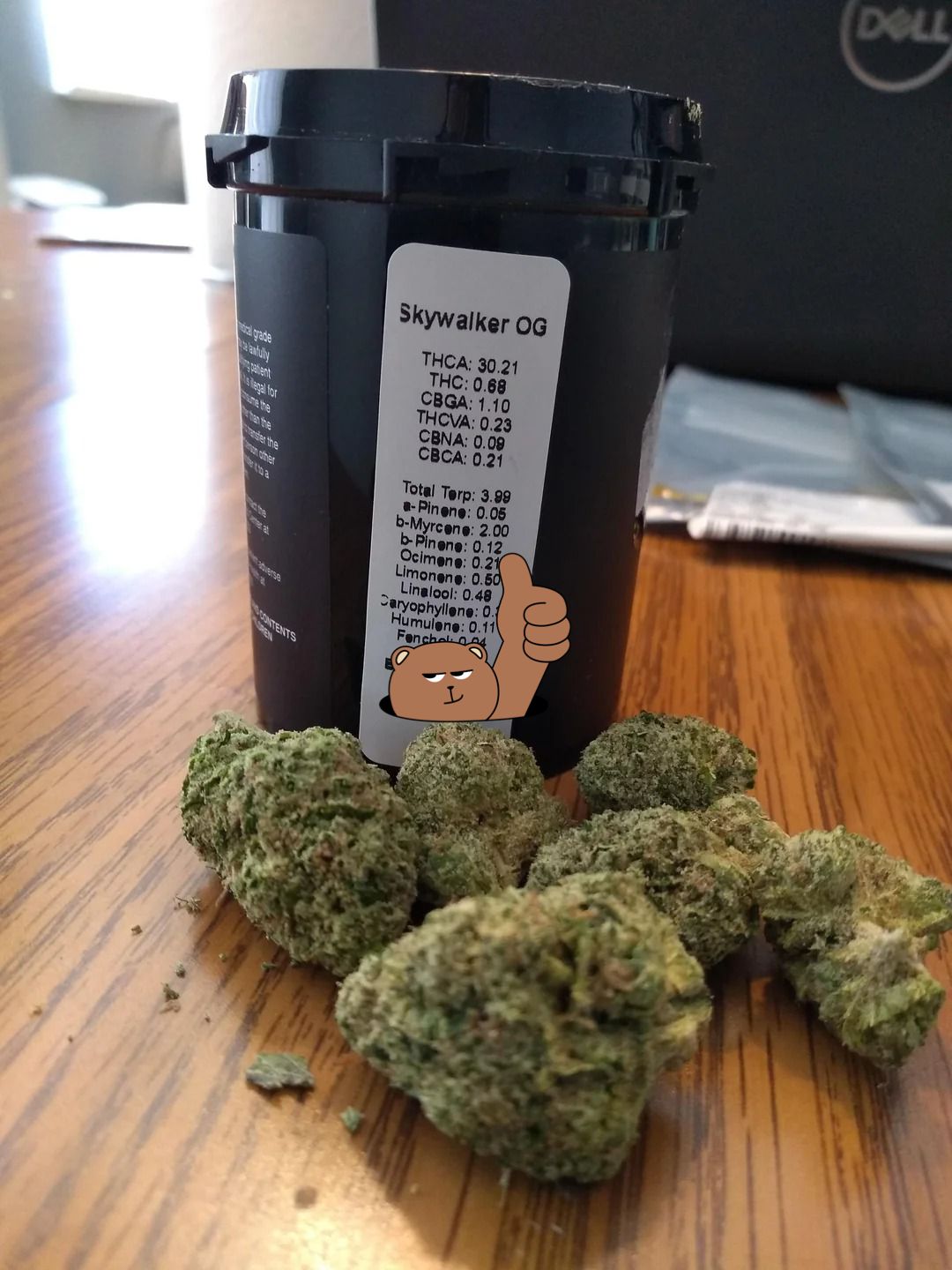
- Cannabis flower (marijuana) from local or imported sources.
- Hashish (resin) or other cannabis derivatives.
- Synthetic cannabinoids or contaminated products. Sweden has banned many “Spice”-type synthetic cannabinoids. (Wikipedia)
- CBD/THC-mix products which may be illegal, mislabelled or seized.
Risks of Quality and Purity on Weed in Stockholm
- Lack of regulation means no guaranteed potency or purity.
- Risk of adulteration (other drugs, chemicals) is higher in illicit markets.
- High-THC products may carry greater risk of acute effects (anxiety, psychosis) especially in naïve users.
- Because Swedish enforcement is strict, users may take extra precautions (hidden use, private locations) which can increase risk of accidents (e.g., using in unsafe settings).
Cost and Availability
- Illicit supply tends to be more expensive (compared to regulated markets elsewhere) because of risk premium, smuggling/import cost, law enforcement cost.
- Availability may be variable; supply disruptions can occur.
- Thus user behaviour may include irregular sourcing, sharing, or increased marginal risk.
Health Implications and Harm Considerations
Short-Term Effects and Risks on Weed in Stockholm
- Cannabis use (especially first time, or high potency) may lead to acute effects: panic, anxiety, impaired judgment, risk of accidents (especially if driving).
- In Stockholm (and Sweden), the law treats driving under influence very harshly; any trace of illicit drug may lead to penalties. (NAPR)
- Combining cannabis with alcohol, other drugs, or using in unsafe settings (public, isolated) increases risk.
Long-Term Use and Dependency
- While Sweden reports relatively low general prevalence, there is concern that a proportion of users may develop heavier patterns of use. (European Parliament)
- Long-term heavy use may carry risks: cognitive impairment, mental-health issues (e.g., psychosis in vulnerable individuals). Some Swedish research highlights such concerns. (PubMed)
- Because the market is illicit, users may also face legal, social, employment harms in addition to health risks.
Treatment, Support and Public Health in Stockholm
- Treatment services exist in Stockholm (and Sweden) through municipal social services and healthcare, often abstinence-based. (Brookings)
- Harm-reduction measures (for cannabis specifically) are less prominent compared to some other European countries.
- If you are using cannabis and experiencing problems (dependence, anxiety, legal trouble), seeking help early is wise.
Comparative Note: Why Sweden (and Stockholm) Is Different
Many other European countries have moved toward various forms of decriminalisation or regulation of cannabis. Sweden remains an outlier. Some comparative factors:
- The Swedish model emphasises moral- and public-health oriented prohibition rather than harm-reduction. (Brookings)
- The public attitude in Sweden remains strongly opposed to cannabis legalisation (~80 % in some polls) which helps sustain strict laws. (Hemp King)
- Because enforcement is rigorous and the stigma high, users may operate in more hidden ways — increasing some risks of unsafe use, social isolation, and reluctance to seek help.
- In Stockholm as a major city, while supply and demand exist, the legal, social and health frameworks remain tightly regulated in line with national policy.
The Future Outlook for Weed in Stockholm & Sweden
While dramatic change (full legalisation of recreational cannabis) appears unlikely in the immediate future, several potential trajectories exist:
- Incremental medical expansion: More medically approved cannabis-based products, slowly loosening restrictions for serious conditions. For instance, increased discussion about use of THC/CBD combinations. (Forbes)
- Policy reform discussions: As cannabis policy evolves abroad (e.g., Canada, US states, parts of Europe) Swedish scholars and policymakers may revisit aspects of the “zero-tolerance” model. Some research suggests benefits from regulation. (PubMed)
- Harm reduction focus: Even if recreational use remains illegal, there may be a gradual increase in services for users (education, safer-use messaging, quality monitoring) in Stockholm and Sweden in general.
- Gradual cultural shift: Younger generations, international exposure, and changing global norms may shift public opinion over time, potentially altering the political calculus.
- But — the entrenched social and legal framework means any shift is likely slow, cautious, and accompanied by strict regulation.
Summary & Key Takeaways
Here are the main points you should take away about weed in Stockholm:
- Recreational cannabis is illegal in Sweden. Possession, use, cultivation, distribution are criminal offences.
- The Swedish model is one of the most restrictive in Europe; medical cannabis exists but only under very limited conditions.
- In Stockholm, cannabis use exists in practice, but under high legal risk, societal stigma, and uncertain supply quality.
- If you are visiting or living in Stockholm: assume zero tolerance, take precautions, avoid driving after any use, be aware of legal and health risks.
- For those using or considering cannabis: understand that the underground market increases risks, both legal and health. Consider alternatives, and seek help if problems arise.
- On the policy front: reform debates continue, but major change is unlikely in the near term.
- Ultimately: weed in Stockholm is not like in some liberal cities; users operate in a legally constrained, socially cautious environment, with risks that must be taken seriously.
Final Note
If you’re in Stockholm (or planning to go), it’s wise to approach cannabis not as a casual recreational option (as might be in other places) but as a legally and socially charged activity. The stakes are higher, and ignorance of the local law is no defence. Always prioritise safety, legality and informed decision-making on Weed in Stockholm.
References & Further Reading
- Wikipedia: “Cannabis in Sweden” — https://en.wikipedia.org/wiki/Cannabis_in_Sweden (Wikipedia)
- Leafwell: “Is Marijuana Legal in Sweden?” — https://leafwell.com/blog/is-marijuana-legal-in-sweden (Leafwell)
- Nordic Alcohol and Drug Policy Network (NAPR): Sweden – Cannabis — https://www.nordicalcohol.org/sweden-cannabis (NAPR)
- The Local Sweden: “Reefer madness: why are Swedes so scared of pot?” — https://www.thelocal.se/20131112/reefer-madness-why-are-swedes-so-scared-of-pot (The Local Sweden)
- Europarl: “The Drug Policies of the Netherlands and Sweden” — https://www.europarl.europa.eu/RegData/etudes/etudes/join/2001/300758/IPOL-LIBE_ET%282001%29300758_EN.pdf (European Parliament)
Disclaimer: This article is for informational purposes only. It does not constitute legal advice. The laws and policies may change; always verify with official sources if you’re planning anything involving cannabis or other controlled substances in Sweden.

Leave a Reply