
Title: Weed in Halmstad: The Current Landscape, Legal Aspects, and Cultural Perspective
Meta Description: Discover everything about weed in Halmstad — from local laws and penalties to culture, medical use, and future perspectives on cannabis in Sweden.
Introduction
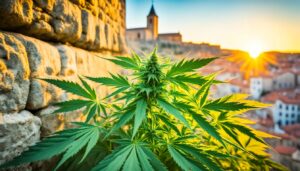
Halmstad, located on Sweden’s scenic west coast, is known for its beautiful beaches, vibrant student life, and lively summer atmosphere. Yet beneath its laid-back charm lies a complex relationship with weed (cannabis). As discussions around cannabis legalization continue across Europe, Halmstad reflects the national mood of Sweden — cautious, conservative, but slowly evolving.
This article explores weed in Halmstad — including its legal status, penalties, public attitudes, medical use, and how Swedish culture views cannabis. The goal is to present a human-readable, factual, and insightful guide that helps both locals and visitors understand the reality of cannabis in this coastal Swedish city.
1. Legal Status of Weed in Halmstad
Sweden has one of the strictest drug policies in Europe, and that includes Halmstad. Under Swedish law, all cannabis-related activities — possession, consumption, cultivation, and sale — are illegal.
The Swedish Narcotics Penal Code (Narkotikastrafflagen) governs drug offenses. Cannabis is classified as a narcotic, and offenses can lead to severe legal consequences depending on quantity and intent.
Penalties for Weed in Halmstad:
- Personal possession: up to 6 months in prison (often fines or probation for first-time offenders).
- Distribution or intent to sell: 2 to 10 years imprisonment.
- Cultivation: considered production and treated similarly to distribution.
- Consumption: even a positive drug test can lead to legal consequences, including fines and mandatory rehabilitation.
Swedish police are known for conducting random drug tests, particularly targeting youth and nightlife zones. Halmstad, with its student population and summer tourism, is no exception.
2. Weed Culture in Halmstad
Despite the legal restrictions, cannabis use does exist in Halmstad — as in all Swedish cities. However, it remains underground due to the strong legal deterrence and social stigma.
Halmstad is home to Halmstad University, which brings together students from across Sweden and abroad. Among international students, especially from countries with more liberal cannabis laws, curiosity and discussions about weed are common — though actual usage remains limited and discreet.
Swedish youth culture is influenced by music, online media, and global trends, where cannabis is often normalized. However, the reality in Sweden is much different; possession can lead to a criminal record that affects employment and travel opportunities.
3. Public Perception and Social Stigma
In Halmstad, as in much of Sweden, the general public maintains a negative view of cannabis. This stems from decades of strict state-driven anti-drug campaigns emphasizing abstinence and fear of addiction.
However, opinions are slowly shifting. A 2023 survey by the Swedish Council for Information on Alcohol and Other Drugs (CAN) found that around 20% of Swedes aged 16–29 favored some form of legalization or decriminalization — a growing number compared to past decades.
Still, Sweden’s conservative political climate means no immediate policy changes are expected. Halmstad residents, particularly older generations, remain wary of cannabis due to associations with crime or mental health risks.
4. Medical Cannabis in Sweden
Medical cannabis was approved in Sweden in 2012, but access remains extremely limited. In Halmstad, few physicians are authorized or willing to prescribe it.
Medical cannabis products (such as Sativex and Cannabis-based oils) are only prescribed for specific conditions:
- Severe chronic pain (when other treatments fail)
- Multiple sclerosis (MS) spasticity symptoms
- Palliative care
Patients in Halmstad seeking medical cannabis must undergo specialist evaluation and obtain approval through Sweden’s medical regulatory system. Even then, availability is minimal, and imported products are tightly controlled.
For comparison, countries like Germany and Denmark have far more accessible medical cannabis programs — a stark contrast that Swedish patients often criticize.
5. Weed Availability and Risks
Though illegal, weed can be found in Halmstad through underground channels. Typically, this occurs via word-of-mouth or encrypted online platforms like Telegram or darknet markets.
However, purchasing weed illegally comes with several risks:
- Legal punishment: even small purchases are prosecutable.
- Unsafe products: street weed may be laced or contaminated.
- Scams: online sellers often disappear after receiving payment.
- Surveillance: police monitor social media and online groups.
The Swedish authorities actively discourage any form of illegal acquisition or use, emphasizing rehabilitation over punishment in minor cases.
6. Law Enforcement in Halmstad
The Halmstad Police Department (Polisen Halmstad) works closely with national agencies to monitor and reduce drug activity. Police presence increases during:
- Summer months (tourist season)
- Student festivals
- Music events
Random drug testing is common, especially near Halmstad University, Tylösand Beach, and nightlife spots. Convictions can result in criminal records, making travel to countries like the U.S. or Canada difficult.
7. Weed and Youth in Halmstad
Swedish youth attitudes toward cannabis are evolving. Students in Halmstad tend to be more informed and nuanced about drug use. While some see weed as less harmful than alcohol, others remain cautious due to Sweden’s education-based deterrence programs like “Tänk Om” (Think Again) and “ANDT Strategy” (Alcohol, Narcotics, Doping, and Tobacco).
Nonetheless, experimentation does occur, mostly within social or artistic circles. Universities and local NGOs focus heavily on prevention and education, not punishment.
8. The Future of Cannabis in Sweden
Sweden’s political climate remains resistant to cannabis reform. The Swedish Social Democrats and Moderate Party — both major political forces — oppose legalization. However, public dialogue is growing, especially as other European nations explore regulation.
In cities like Halmstad, debates among young people and health professionals are opening new perspectives. With the global cannabis industry booming, Sweden may eventually reconsider its approach, but such changes will likely be slow and data-driven.
9. Visiting Halmstad: A Cautionary Note
For tourists or exchange students visiting Halmstad:
- Do not attempt to buy or use weed.
- Police are active and Swedish laws are unforgiving.
- Even minor possession can ruin travel plans or visas.
Instead, enjoy Halmstad’s beautiful coastline, vibrant cafés, and music culture — all perfectly enjoyable without cannabis.
10. Educational and Support Resources
If you or someone you know in Halmstad struggles with cannabis use, the following local and national resources can help:
- Halmstad Municipality Addiction Services (Halmstads kommun Vård och Omsorg)
- Swedish Public Health Agency (Folkhälsomyndigheten)
https://www.folkhalsomyndigheten.se - 1177 Vårdguiden – Swedish national health information service
https://www.1177.se
These organizations provide free, confidential guidance and medical support for anyone struggling with drug use or seeking accurate information.
FAQ: Weed in Halmstad
1. Is weed legal in Halmstad?
No. Cannabis is illegal in all of Sweden, including Halmstad.
2. Can tourists bring medical cannabis to Sweden?
Only if prescribed legally within the EU and under strict import rules. Documentation is required.
3. How common is weed use in Halmstad?
Usage exists but is low compared to many EU countries due to Sweden’s strict laws and social stigma.
4. Can I grow cannabis plants in Halmstad for personal use?
No. Cultivation is considered a serious criminal offense.
5. What’s the penalty for possession of small amounts?
Typically fines or up to six months in prison, depending on circumstances.
Conclusion
Weed in Halmstad represents a microcosm of Sweden’s broader cannabis debate — a country balancing public health, social norms, and international trends. While attitudes are slowly evolving, the law remains clear: cannabis is illegal.
For now, education, prevention, and open dialogue remain Sweden’s preferred approach. As public opinion and medical research progress, perhaps one day the conversation in Halmstad — and across Sweden — will shift toward a more nuanced and compassionate cannabis policy.
Quality Outbound Links:
- Folkhälsomyndigheten (Swedish Public Health Agency)
- 1177 Vårdguiden
- Halmstad Municipality
- Swedish Council for Information on Alcohol and Other Drugs (CAN)

Leave a Reply