
Weed in Montpellier: Cannabis Culture, Laws, and Lifestyle in France’s Sunshine Capital

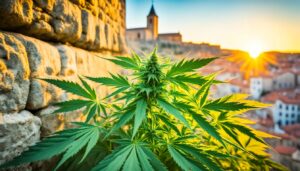
Introduction: The Mediterranean City with a Modern Soul
Montpellier — a sun-drenched, student-filled city on France’s southern coast — has earned a reputation as one of the country’s most progressive urban centers. It’s a city where youth culture, art, and innovation meet the relaxed rhythm of the Mediterranean. From the cafés of Place de la Comédie to the beaches of Palavas-les-Flots, Montpellier breathes freedom.
And naturally, in a city known for its creativity and openness, many wonder: what’s the story with weed here?
Although cannabis remains illegal in France, Montpellier’s laid-back personality and youthful vibe have fostered a quiet but thriving cannabis subculture. This article explores the full picture — from the laws to local attitudes, weed availability, and what the future might hold for France’s most forward-thinking city.
The Legal Status of Weed in Montpellier
1. France’s Strict National Law on weed in Montpellier
Under French law, cannabis (THC) is classified as a narcotic. Possession, sale, cultivation, and consumption are all illegal across the country — Montpellier included.
However, since 2020, France has implemented a more practical approach:
- Possession of small amounts (less than 10 grams) can result in an on-the-spot fine of €200 instead of a court case.
- Trafficking or cultivation remains a criminal offense, punishable by up to 10 years in prison and fines up to €7.5 million.
- Driving under the influence of cannabis is treated the same as drunk driving and carries severe penalties.
Despite these laws, enforcement in Montpellier — as in many southern French cities — tends to be relatively tolerant toward casual users. Police focus more on public order and large-scale trafficking than on small-time smokers.
2. Medical Cannabis: A Limited Experiment on weed in Montpellier
France began its medical cannabis pilot program in 2021, involving hospitals and pharmacies in major cities, including Montpellier. Patients with chronic pain, epilepsy, or other serious conditions can access cannabis-based medication under supervision.
While this remains a small, experimental step, it signals a gradual shift in national policy — one many Montpellier residents see as long overdue.
Weed Culture in Montpellier
1. A City Built on Youth and Diversity on weed in Montpellier
Montpellier is home to over 70,000 students, making it one of Europe’s youngest cities. This academic energy fuels progressive social attitudes, including toward cannabis.
Neighborhoods like Beaux-Arts, Antigone, and Port Marianne are packed with students and artists who view weed as part of relaxation, inspiration, and social bonding.
The city’s climate — 300 days of sunshine a year — and its easygoing Mediterranean vibe make it feel more like Barcelona than Paris in spirit. While public smoking is illegal, the smell of cannabis often drifts through parks and beach gatherings on summer evenings.
2. The Connection to Art and Music
Montpellier’s vibrant cultural life blends effortlessly with cannabis. The city’s music scene — from electronic clubs to reggae bars — thrives on freedom and self-expression. Venues such as:
- Rockstore,
- Le Dièze Warehouse, and
- Le Secret Place
host international artists and attract crowds where weed is part of the experience, albeit discreetly.
Many local musicians and visual artists admit that cannabis helps them relax, brainstorm, or find creative flow, echoing the city’s experimental, bohemian soul.
CBD: The Legal Side of the Leaf
1. The Boom of CBD Shops
Since the legalization of hemp-derived CBD (containing less than 0.3 % THC) in France, Montpellier has seen an explosion of CBD boutiques. These shops offer a legal way to explore the cannabis plant without its psychoactive effects.
Popular CBD stores include:
- Green Owl CBD Montpellier
- Le Lab du Bonheur
- High Society CBD
- La Ferme du CBD
They sell CBD flowers, oils, teas, gummies, and even pet products. For locals who want the taste and aroma of cannabis without breaking the law, CBD has become the perfect compromise.
2. Public Perception
CBD’s rise has changed how people in Montpellier view cannabis. Older generations who once frowned upon weed are now open to CBD for wellness — using it to reduce anxiety, improve sleep, or ease chronic pain.
Cafés even serve CBD-infused drinks and desserts, reinforcing cannabis’s image as a lifestyle product rather than a taboo substance.
Public Attitudes: From Caution to Curiosity
France is slowly warming up to cannabis. Surveys indicate that around 60 % of French citizens support legalization or at least decriminalization. Montpellier — liberal, youthful, and connected to global culture — likely ranks above that average.
Local conversations about weed often revolve around personal freedom and harm reduction rather than moral judgment. Activists and students frequently compare France’s laws to those in Spain, Portugal, and Germany, arguing that regulation is safer than prohibition.
This changing mindset reflects a broader Mediterranean tolerance — pragmatic rather than rebellious.
How People Get Weed in Montpellier
1. The Informal Market
Despite its illegality, weed is relatively easy to find in Montpellier. Most users rely on personal connections rather than street dealers. Telegram and encrypted apps are also common for arranging purchases.
Available types:
- Hashish, mostly imported from Morocco or Spain.
- Cannabis flower, often from Spain or Belgium.
- Occasionally, locally grown weed from small home setups.
Average price:
- €8 – €12 per gram, depending on quality.
Public sale points are rare, and it’s strongly advised not to buy from strangers in tourist zones — scams and police patrols are common.
2. The Spanish Influence
Montpellier lies only a few hours from the Spanish border, and Spain’s cannabis club model is well known among locals. Many residents take weekend trips to Barcelona or Girona to enjoy legal, regulated cannabis environments.
This cross-border exposure makes Montpellier’s community especially pro-legalization and helps spread harm-reduction knowledge.
3. Home Cultivation
Growing cannabis in France is illegal, but small clandestine grows exist, especially in rural areas around Hérault. Growers face significant legal risks but are motivated by self-sufficiency and quality control.
Weed and the Creative Pulse of Montpellier
1. Cannabis and Expression
In Montpellier, art, music, and cannabis often share the same creative DNA. Artists see cannabis not as escapism but as a doorway to imagination. Street murals in the Beaux-Arts district, poetic performances in cafés, and reggae nights all carry hints of this relaxed spirit.
2. Events and Festivals
Events such as Montpellier Danse, Festival de Radio France, and I Love Techno Europe attract liberal, international crowds. While cannabis isn’t openly consumed at official events, it’s quietly present among festivalgoers, as part of an inclusive cultural scene.
Health and Harm Reduction
1. Education and Support
Montpellier has strong public-health initiatives focused on harm reduction. Local organizations such as CAARUD Montpellier and Addictions France provide free information, counseling, and safe-use workshops.
They emphasize health, not punishment, offering services like:
- Drug testing information,
- Mental-health counseling, and
- Peer-support programs for users.
2. Shifting the Narrative
Public-health professionals in Montpellier promote risk awareness instead of fear. This approach resonates with younger generations who prefer factual, science-based information over outdated stigmas.
Police and Law Enforcement
1. The Reality
Police in Montpellier enforce cannabis laws but typically focus on public order. Public consumption, especially near tourist areas or schools, can lead to fines. However, private, discreet use is generally ignored.
2. The Fixed-Fine System
The €200 fine system introduced nationwide aims to simplify enforcement. Critics say it unfairly targets lower-income users, but supporters believe it reduces police bureaucracy.
In practice, enforcement depends on circumstance: politeness, discretion, and cooperation often determine the outcome of an encounter.
The Future of Weed in Montpellier
1. A European Momentum
Across Europe, countries such as Germany, Luxembourg, and Switzerland are legalizing or regulating cannabis. France — surrounded by reform — faces growing pressure to modernize.
Montpellier, known for innovation and youthful energy, could become a model city for France’s eventual cannabis reform. Its universities, research centers, and medical institutions are well placed to lead the conversation.
2. A Changing Generation
Montpellier’s residents travel frequently to Spain and other liberal countries. Their global perspective fuels advocacy for regulated legalization focusing on safety, education, and taxation.
Many experts believe France will eventually follow the European trend — and when it does, Montpellier will be among the first to embrace the new green economy.
Practical Tips for Visitors
- Avoid public smoking. Police occasionally patrol parks and beaches.
- Don’t buy from strangers. Scams are common in nightlife districts.
- Try legal CBD products. Shops offer quality alternatives with the same aroma and relaxing effects.
- Never transport cannabis across borders. France’s border control is strict.
- Be discreet and respectful. The city’s relaxed vibe thrives on mutual respect and moderation.
Outbound Link
For official data and the latest updates on European cannabis laws and policy, visit:
European Monitoring Centre for Drugs and Drug Addiction (EMCDDA)
FAQ: Weed in Montpellier
1. Is weed legal in Montpellier?
No. Cannabis remains illegal throughout France.
2. What happens if I’m caught with a small amount?
You’ll likely face a €200 fine and confiscation of the product.
3. Can I smoke weed on the beach?
No. Public consumption is prohibited and can result in fines.
4. Are there legal cannabis shops?
Only CBD shops are legal. They sell products containing less than 0.3 % THC.
5. Is medical marijuana available?
Yes, but only for specific patients enrolled in France’s medical cannabis pilot program.
6. What are the typical prices for weed?
Around €8–€12 per gram, depending on quality and origin.
7. Can tourists buy CBD in Montpellier?
Yes. CBD is fully legal and sold in many shops city-wide.
8. Can I bring weed from Spain?
No. Transporting cannabis across the border into France is a criminal offense.
9. Is it safe to buy weed from street dealers?
No. Quality and safety are unreliable, and you risk fines or scams.
10. Will France legalize cannabis soon?
Public opinion and European trends suggest legalization is likely within the next decade.
Conclusion: Montpellier and France’s Green Future
Montpellier, the sunlit heart of southern France, perfectly embodies the country’s shifting cannabis conversation. While the law still forbids THC, the culture tells a different story — one of tolerance, creativity, and quiet rebellion.
With its youthful spirit, thriving CBD market, and cross-border influences, Montpellier stands ready for the next step: a future where cannabis is regulated, safe, and socially accepted.
Until then, the scent of hemp and the hum of conversation drift through its plazas and seaside bars — reminders that change, like the Mediterranean breeze, is already in the air.


Leave a Reply