
Weed in Chaves: Cannabis Culture, Laws, and Lifestyle in Northern Portugal


Introduction
Chaves, located in Portugal’s northern Trás-os-Montes region, is renowned for its thermal springs, Roman heritage, and scenic landscapes along the Tâmega River. While tourism highlights its historical architecture and natural beauty, there is a subtle yet growing cannabis culture in this city.
Portugal’s decriminalization of all drugs in 2001 has changed the conversation around weed. Although selling and cultivating cannabis remain illegal, personal use is tolerated, allowing a unique blend of traditional life and progressive cannabis culture to exist in Chaves.
This article provides a comprehensive look at weed in Chaves, including laws, culture, accessibility, social norms, medical cannabis, and insights for visitors and locals.
1. Portugal’s Cannabis Laws
Portugal’s drug policy is a global model for progressive regulation.
Decriminalization Explorer on weed in chaves
- Possession of up to 25 grams of cannabis or 5 grams of hashish for personal use is decriminalized.
- Individuals caught with personal amounts are referred to a Dissuasion Commission, which focuses on education and treatment rather than punishment.
- Selling, trafficking, and large-scale cultivation remain criminal offenses.
Portugal’s approach emphasizes public health over criminalization, resulting in one of the lowest drug-related death rates in Europe.
For official guidance, visit EMCDDA – Portugal Drug Policy.
2. Cannabis Culture in Chaves
Chaves is a medium-sized city blending traditional northern Portuguese culture with influences from students, creatives, and travelers.
Demographics of Cannabis Users
- Students: The Polytechnic Institute and local secondary schools host young adults exploring cannabis in social and academic settings.
- Artists and creatives: Musicians, writers, and visual artists occasionally use cannabis to enhance creativity.
- Tourists: Visitors often discreetly partake during leisure time, particularly near natural attractions.
Cannabis in Chaves is mostly private, reflecting a culture of discretion and respect. Older residents may disapprove, but the overall social attitude is tolerant.
3. Accessing Cannabis in Chaves
Despite decriminalization, buying cannabis is still illegal.
Common Sources
- Friends and social networks: The safest and most common method.
- University or peer networks: Students often share with trusted classmates.
- Street dealers: Present but risky, with inconsistent quality.
Types of Cannabis
- Hashish (haxixe): Predominantly imported from Morocco, widely circulated.
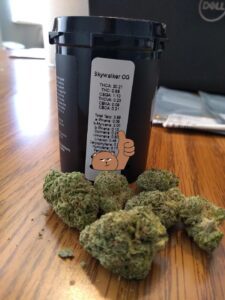
- Flower (erva): Locally grown in small batches, often shared privately.
Tourists should be especially careful; purchasing from strangers carries legal and safety risks.
4. Police and Enforcement
Local law enforcement in Chaves prioritizes public safety and anti-trafficking efforts.
- Small-scale personal use typically results in confiscation and referral to the Dissuasion Commission.
- Criminal prosecution only occurs if intent to sell is suspected.
Discretion is key — avoid consuming cannabis in public spaces or during crowded events.
5. Medical Cannabis in Chaves
Portugal legalized medical cannabis in 2018, regulated by Infarmed.
Legal Access
Patients may access cannabis for:
- Chronic pain
- Multiple sclerosis
- Epilepsy
- Glaucoma
- PTSD or anxiety (case-by-case)
- Cancer-related symptoms
Local doctors in Chaves can prescribe cannabis-based medicines, though most patients collect prescriptions from Porto or Braga pharmacies due to limited local availability.
More details at Infarmed – Portugal.
6. Cannabis Use Among Students and Young Adults
Students form the largest cannabis-using demographic in Chaves.
- Small, private gatherings are common in apartments or green areas near campus.
- Cannabis is often viewed as a tool for relaxation, focus, and creativity rather than rebellion.
- Music, art, and cultural events may feature discreet cannabis use among attendees.
7. Tourism and Cannabis in Chaves
Chaves attracts visitors for:
- Thermal baths and wellness resorts
- Historical sites and Roman heritage
- Natural landscapes and hiking trails
While cannabis tourism is not formalized, travelers can enjoy cannabis discreetly in private accommodations or rural retreats.
Tips for Tourists
- Use privately: Avoid public spaces or crowded streets.
- Avoid street deals: Quality and legal risk vary.
- Respect local culture: Older residents may disapprove of visible use.
- Combine cannabis use with cultural and natural experiences, such as exploring the Roman bridge or hiking nearby hills.
8. Cannabis and Creativity
Chaves has a modest but growing creative community. Cannabis often complements artistic endeavors:
- Enhancing focus during painting, music, or writing sessions
- Promoting reflection and inspiration from the surrounding landscapes
- Supporting mindfulness and relaxation in creative processes
Artists use cannabis subtly, respecting local discretion while incorporating it into their workflow.
9. Challenges in Chaves
Despite progressive policies, challenges persist:
- No legal supply chain for recreational users
- Variable cannabis quality on the informal market
- Cultural hesitancy, especially among older generations
- Tourist misconceptions about legality
Knowledge, discretion, and respect are essential to avoid legal or social problems.
10. The Future of Cannabis in Portugal
Portugal is actively debating recreational cannabis legalization.
Potential benefits include:
- Reducing the black market
- Generating tax revenue
- Ensuring safe, regulated products
- Expanding cannabis tourism and wellness opportunities
Public support is strong — over 60% of Portuguese citizens reportedly favor legalization. Branded wellness retreats, creative workshops, and private cannabis-friendly accommodations may emerge in Chaves if legalization proceeds.
11. Cannabis and Wellness
Cannabis in Chaves is increasingly associated with wellness:
- Stress relief for students and professionals
- Enhancing mindfulness and connection with nature
- Complementing yoga, hiking, and spa visits
12. Lifestyle Integration
Chaves emphasizes:
- Connection with natural surroundings
- Cultural appreciation
- Creative and reflective practices
Cannabis aligns with this lifestyle, consumed discreetly in private or among trusted friends. Portugal’s philosophy of responsibility and moderation is reflected in the local approach to cannabis.
F.A.Q. — Weed in Chaves
1. Is weed legal in Chaves?
No. Possession for personal use is decriminalized; selling is illegal.
2. Can tourists consume cannabis?
Yes, privately and discreetly. Public use may attract attention.
3. Are there cannabis cafes or dispensaries?
No. Portugal does not permit recreational dispensaries.
4. Can medical cannabis be accessed in Chaves?
Yes, with a prescription. Most patients collect medicine in Porto or Braga.
5. What types of cannabis are common?
Moroccan hashish and small-batch local flower.
6. What happens if caught with small amounts?
Police may confiscate cannabis and refer users to the Dissuasion Commission. No criminal charges are assigned unless trafficking is suspected.
7. Is Chaves cannabis-friendly?
Yes, discreetly. Respect and privacy are key.
OUTBOUND LINKS
- European Monitoring Centre for Drugs and Drug Addiction (EMCDDA)
- Infarmed – Portugal’s Health and Medicines Authority
- The Guardian – Portugal’s Drug Decriminalization Success
- Visit Portugal – Official Tourism Portal
Conclusion
Weed in Chaves represents Portugal’s progressive, human-focused approach to cannabis: responsible, discreet, and integrated into daily life.
Cannabis use is mostly private, complementing student life, creative endeavors, and wellness practices. While full legalization is still pending, decriminalization allows safe, mindful use without fear of criminal penalties.
Chaves’ natural beauty, cultural richness, and reflective lifestyle make it an ideal environment for cannabis to exist quietly yet meaningfully. Cannabis here is not about excess, but about relaxation, creativity, and thoughtful living — perfectly aligning with the northern Portuguese way of life.

Leave a Reply